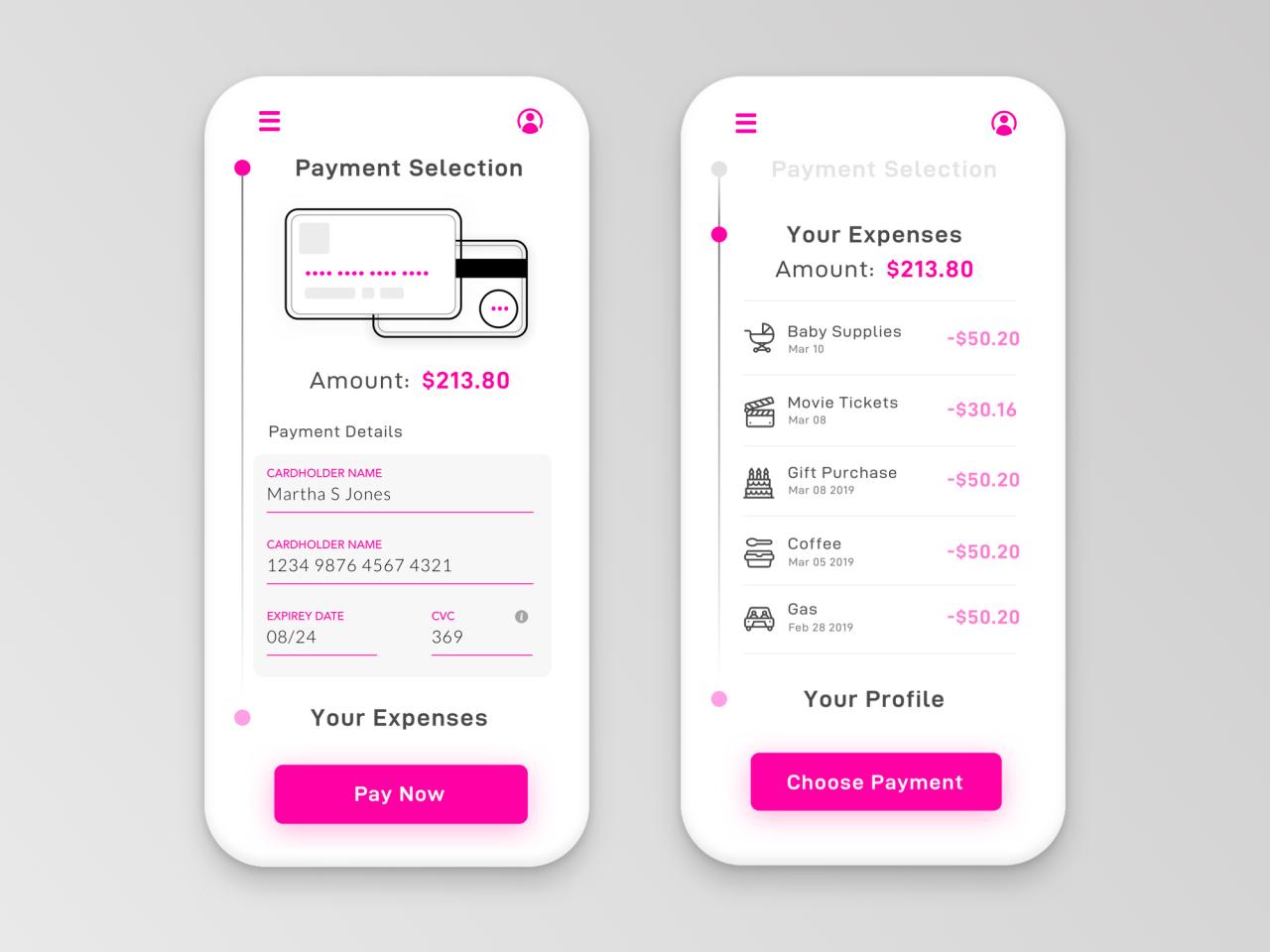
Credit card payment apps for iPhones have revolutionized the way we manage and utilize our financial resources. These apps offer a seamless, secure, and convenient method of making payments, simplifying transactions and providing valuable insights into spending habits. This guide dives deep into the functionality and benefits of these apps, providing a user-friendly overview.
From intuitive interfaces and secure transaction processing to features like budgeting tools and rewards programs, these apps cater to a diverse range of users. This detailed exploration aims to equip you with the knowledge necessary to make informed decisions regarding your financial management using a credit card payment app for your iPhone.
Dear esteemed colleagues,This document provides a comprehensive exploration of the multifaceted nature of sustainable urban development. We aim to offer a nuanced perspective, moving beyond simplistic pronouncements to delve into the intricate interplay of environmental, social, and economic factors. Introduction: Embracing the Urban ImperativeThe burgeoning urban populations of the 21st century present both a challenge and an opportunity. Cities, hubs of innovation and economic activity, are also significant contributors to greenhouse gas emissions and resource consumption.
Sustainable urban development is no longer a desirable aspiration, but a critical necessity. It demands a fundamental shift in our approach to urban planning, design, and management, emphasizing a holistic, integrated approach. Environmental Sustainability: Beyond Green SpacesEnvironmental sustainability is undeniably crucial. However, it extends far beyond simply incorporating green spaces into urban landscapes. Strategies must encompass minimizing carbon footprints through efficient transportation systems, promoting renewable energy sources, and optimizing waste management.
The use of recycled materials, green building practices, and efficient water management are also paramount. Furthermore, urban planning must consider the ecological footprint of the city, ensuring minimal impact on surrounding ecosystems. Social Equity: A Just and Equitable CitySustainable urban development is not solely about the environment; it also demands social equity. The benefits of development must be accessible to all members of the community, regardless of socioeconomic status or background.
This necessitates policies promoting affordable housing, equitable access to education and healthcare, and fostering inclusive public spaces. Addressing existing inequalities and promoting social cohesion are vital components of a truly sustainable city. Economic Viability: Growth that SustainsEconomic viability is an integral part of sustainable urban development. Sustainable practices can stimulate innovation and create new economic opportunities. This includes investing in green technologies, fostering entrepreneurship in sustainable industries, and creating jobs in renewable energy and resource efficiency.
Economic growth should not come at the expense of environmental integrity or social equity. A balanced approach is essential. Integrated Planning: A Holistic ApproachSustainable urban development demands a holistic approach to planning. This necessitates integrating environmental, social, and economic considerations into every stage of urban planning and decision-making. Collaboration between government agencies, private sector entities, and community stakeholders is crucial.
Transparent and participatory processes are essential for ensuring that the needs and concerns of all stakeholders are addressed. Case Studies and Best PracticesExamining successful case studies of sustainable urban development worldwide provides invaluable insights. Cities that have effectively implemented sustainable strategies can serve as models for other urban areas. These models often emphasize innovative solutions in areas such as public transportation, energy efficiency, and waste management.
Learning from their successes and adapting them to local contexts is critical. Technological Advancements: Driving SustainabilityTechnological advancements play a critical role in accelerating the transition towards sustainable urban development. Smart city initiatives, leveraging data analytics and communication technologies, can optimize resource allocation, improve public services, and enhance citizen engagement. New technologies for renewable energy, waste management, and sustainable transportation are also transforming urban landscapes.
Policy Frameworks: Establishing a FoundationRobust policy frameworks are essential for guiding and supporting sustainable urban development. These policies must encompass zoning regulations, building codes, transportation plans, and environmental protection measures. Clear targets and measurable indicators are crucial for monitoring progress and adapting strategies as needed. Community Engagement: Building a Shared VisionActive community engagement is paramount. Residents must be empowered to participate in the planning and implementation of sustainable initiatives.
This includes providing opportunities for public input, fostering dialogue, and creating platforms for collaborative decision-making. A shared vision, built on collective participation, is crucial for long-term success. Conclusion: A Path ForwardSustainable urban development is not merely a trend; it is a fundamental necessity for the future. By integrating environmental, social, and economic considerations into urban planning, we can create vibrant, resilient, and equitable cities for generations to come.
Embracing innovation, fostering collaboration, and prioritizing community engagement are key to realizing this vision.
Frequently Asked Questions
What security measures are in place for credit card transactions on these apps?

Many apps utilize advanced encryption technologies and secure payment gateways to protect user data. They often employ multi-factor authentication and regularly update their security protocols to mitigate risks.
Can I track my spending and create budgets using these apps?
Yes, most credit card payment apps offer detailed transaction histories, allowing users to monitor their spending patterns. Many also include budgeting tools and expense categorization features to aid in financial planning.
Are there any fees associated with using these apps?
Some apps may charge fees, while others are completely free. Users should carefully review the terms and conditions of the specific app to understand any associated costs.
How do these apps compare to using physical credit cards?

While physical credit cards still have their place, mobile apps provide increased convenience, accessibility, and often more detailed transaction information.