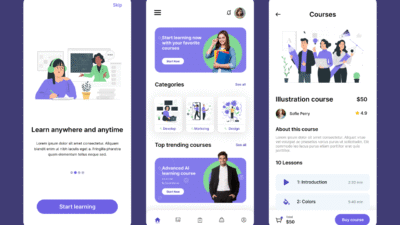
AFAS e-learning software is revolutionizing the way individuals and organizations acquire and retain knowledge. Its intuitive interface and comprehensive content cater to diverse learning styles, ensuring a seamless and engaging experience for all users. This software’s adaptability makes it a valuable asset in various professional settings, driving efficiency and enhancing overall performance.
This document delves into the key features and benefits of AFAS e-learning software, highlighting its effectiveness in modern learning environments. We will explore its functionality, user experience, and overall impact on the learning process. Furthermore, we will address common questions and concerns to provide a thorough understanding of the software’s potential.

Urbanization, a defining characteristic of modern society, presents both opportunities and challenges. While cities are hubs of innovation, economic growth, and cultural exchange, they also face escalating environmental pressures, resource constraints, and social inequalities. Sustainable urban development, therefore, necessitates a holistic approach that addresses the intricate interplay between environmental, social, and economic factors. This article delves into the key components of such a strategy, examining the critical need for integrated planning, innovative technologies, and community engagement to build resilient and equitable urban centers.
The Environmental Imperative: A Greener Metropolis
Environmental sustainability is paramount in urban development. Cities consume vast quantities of resources, generating significant waste and contributing substantially to greenhouse gas emissions. Sustainable practices must be woven into the fabric of urban planning, from the initial design stages to the ongoing operation of urban infrastructure. This includes:
- Green Infrastructure: Integrating parks, green roofs, and urban forests can mitigate the urban heat island effect, improve air quality, and enhance biodiversity. These elements also offer significant recreational and aesthetic benefits for residents.
- Sustainable Transportation: Prioritizing public transport, cycling infrastructure, and pedestrian walkways can significantly reduce reliance on private vehicles, minimizing traffic congestion and emissions. Smart traffic management systems can optimize resource utilization and enhance overall efficiency.
- Waste Management and Recycling: Implementing comprehensive waste management strategies, including source separation, recycling programs, and composting initiatives, can reduce landfill waste and promote resource recovery.
- Water Conservation: Implementing water-efficient building designs, rainwater harvesting systems, and greywater recycling can conserve precious water resources and reduce the strain on local water supplies.
Social Equity: Building Inclusive Communities
Sustainable urban development must address the social disparities often embedded within urban environments. This involves creating inclusive communities where everyone has access to essential services, opportunities, and a high quality of life. Key considerations include:
- Affordable Housing: Ensuring access to affordable housing options for all income levels is crucial for creating equitable communities. This can involve innovative housing models, mixed-use development, and incentives for affordable housing projects.
- Community Engagement: Engaging local communities in the planning and decision-making processes is essential for ensuring that projects align with the needs and aspirations of residents. This includes open forums, participatory design workshops, and feedback mechanisms.
- Access to Healthcare and Education: Providing equitable access to quality healthcare and educational opportunities is fundamental to fostering a thriving and resilient community.
- Social Inclusion: Promoting diversity and inclusion in urban environments is crucial to creating a sense of belonging and fostering social cohesion. This can involve initiatives focused on community development, cultural exchange, and overcoming societal barriers.
Economic Viability: Fostering Growth and Innovation
Sustainable urban development must also consider the economic aspects. Creating a thriving urban environment requires a sustainable economy that fosters innovation, job creation, and economic opportunity for all. This entails:

- Green Jobs: Investing in green industries and promoting green jobs can stimulate economic growth and create new employment opportunities.
- Sustainable Businesses: Supporting and encouraging the growth of businesses committed to sustainable practices can drive innovation and create a more resilient economic landscape.
- Investment in Infrastructure: Investing in resilient and sustainable infrastructure, such as smart grids and efficient public transport systems, can enhance the economic competitiveness of the city.
- Promoting Local Businesses: Supporting local businesses and entrepreneurship can foster economic growth and community development.
Conclusion: A Shared Responsibility
Sustainable urban development is not simply a set of best practices, but a fundamental shift in how we design, build, and manage our cities. It requires a collective effort from governments, businesses, and citizens alike. By embracing a holistic approach that prioritizes environmental sustainability, social equity, and economic viability, we can build resilient and equitable urban centers that serve as models for the future.
The time for action is now, as the challenges and opportunities presented by urbanization demand innovative and collaborative solutions.
FAQ Summary
What are the system requirements for using AFAS e-learning software?
Specific system requirements are available on the AFAS e-learning software website and vary depending on the chosen version or platform. It is best to consult the official documentation for the most up-to-date information.

What types of learning materials are supported by AFAS e-learning software?
AFAS e-learning software supports a variety of learning materials, including interactive exercises, videos, simulations, and assessments, allowing for a dynamic and engaging learning experience.
How can I access support for AFAS e-learning software?
AFAS provides various support channels, including online documentation, FAQs, and dedicated customer support teams. The most effective method for getting support will depend on the specific issue and the support level needed.
Does AFAS e-learning software integrate with other learning platforms?

Integration with other learning platforms is possible, though specific options and methods may vary based on the platform and version of AFAS e-learning software. Contact AFAS support for detailed information.