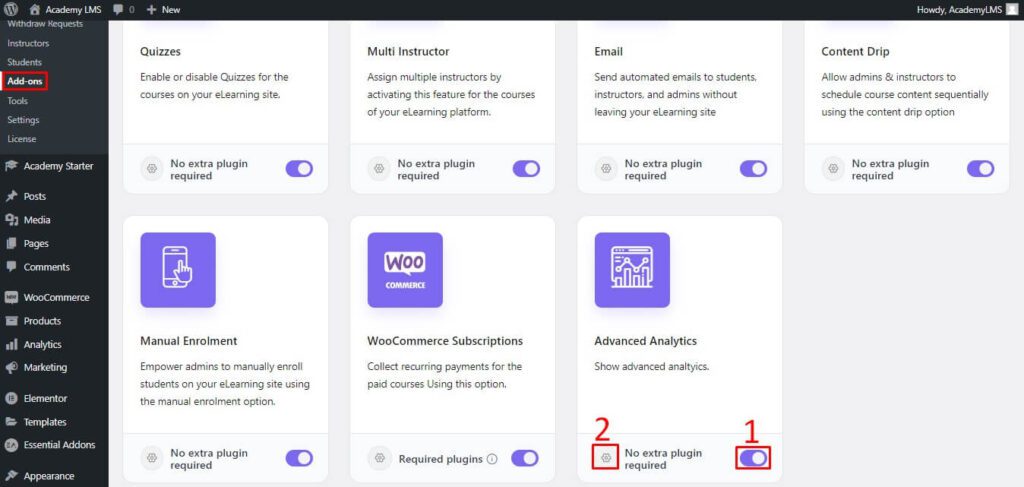
Advanced analytics are revolutionizing e-learning platforms, providing invaluable insights into student performance and learning behaviors. By leveraging data-driven strategies, educators and developers can optimize course design, personalize learning experiences, and ultimately enhance student outcomes. This detailed exploration delves into the core concepts, offering practical applications and future implications for this transformative field.
The use of advanced analytics in e-learning software offers a multifaceted approach to understanding student needs and preferences. From analyzing engagement patterns to identifying knowledge gaps, these tools provide a rich data set that can inform decisions about course content, delivery methods, and support structures. This data-driven approach empowers institutions to tailor learning experiences to individual student needs, ultimately fostering more effective and engaging educational environments.

The relentless expansion of urban centers globally presents both opportunities and challenges. While urbanization fosters economic growth and cultural exchange, it simultaneously exerts pressure on natural resources, exacerbates environmental issues, and necessitates a paradigm shift towards sustainable urban living. This article delves into the multifaceted aspects of creating sustainable cities, examining the interconnectedness of environmental, social, and economic factors.
Environmental Sustainability: A Foundation for Resilient Cities
Environmental sustainability forms the bedrock of any truly sustainable urban plan. The relentless consumption of resources, particularly fossil fuels, must be addressed. Transitioning to renewable energy sources, such as solar and wind power, is paramount. Implementing energy-efficient building designs, promoting public transportation systems, and encouraging cycling and pedestrian infrastructure are crucial steps towards reducing carbon footprints. Furthermore, meticulous waste management strategies, including composting and recycling initiatives, are vital for minimizing landfill waste and conserving resources.
Urban green spaces, parks, and green roofs play a significant role in mitigating the urban heat island effect, improving air quality, and providing vital habitats for biodiversity.
Social Equity: Ensuring Inclusivity and Accessibility
A truly sustainable city must prioritize social equity, ensuring that the benefits of urban development are accessible to all residents. This involves addressing issues such as affordable housing, access to quality education and healthcare, and creating opportunities for economic advancement. The city’s design should facilitate social interaction and community engagement. This could include the development of vibrant public spaces, community gardens, and safe and accessible pedestrian walkways, encouraging social cohesion and reducing social isolation.
Addressing the needs of vulnerable populations, including the elderly and those with disabilities, is also crucial for a just and equitable urban environment.

Economic Viability: Fostering Growth and Innovation
Economic sustainability is integral to long-term urban planning. Promoting sustainable industries, fostering innovation, and creating green jobs are vital for economic growth while minimizing environmental impact. Incentivizing businesses that prioritize environmental responsibility and encouraging entrepreneurship in green technologies can foster a circular economy. Sustainable urban development should also prioritize local sourcing of materials and products, supporting local businesses and creating employment opportunities.
This economic viability also considers the financial sustainability of infrastructure projects and the long-term costs associated with environmental protection.
Smart City Solutions: Integrating Technology for Efficiency
The integration of technology plays a pivotal role in optimizing resource management and enhancing the efficiency of urban operations. Smart city initiatives can leverage data analytics to monitor energy consumption, optimize traffic flow, and improve waste management. This involves implementing smart grids, intelligent transportation systems, and advanced water management systems. Furthermore, utilizing technology for citizen engagement, such as online platforms for reporting issues or accessing city services, can foster greater transparency and accountability.
The Role of Citizen Participation: Empowering Communities
Sustainable urban development cannot succeed without the active participation of citizens. Involving residents in the planning process, encouraging community engagement initiatives, and fostering a sense of ownership are crucial for successful implementation. This could include public forums, workshops, and online platforms for residents to voice their concerns, share ideas, and contribute to the design and implementation of sustainable solutions.
By empowering communities, cities can create a sense of shared responsibility and foster a culture of sustainability.
Conclusion: Embracing a Holistic Approach
Creating sustainable urban environments requires a holistic approach that considers the intricate interplay of environmental, social, and economic factors. By embracing innovative technologies, promoting citizen participation, and prioritizing social equity, cities can build resilient and thriving communities for generations to come. The transition towards sustainable urban living is not merely an environmental imperative; it is an economic necessity, a social imperative, and a moral obligation.
The journey towards sustainable urban living is ongoing and requires continuous adaptation and innovation. By learning from past successes and challenges, and by embracing a collaborative approach, we can build cities that are not only environmentally responsible but also socially just and economically viable. The future of our cities hinges on our collective commitment to sustainable practices.

User Queries
What are the key benefits of using advanced analytics in e-learning?
Key benefits include personalized learning experiences, improved course design, enhanced student engagement, and identification of knowledge gaps. These tools can also provide valuable insights into student performance, enabling educators to make data-driven decisions for optimal learning outcomes.
How can advanced analytics help identify at-risk students?
By tracking student engagement, progress, and interaction patterns, analytics can highlight students who are struggling or falling behind. This early identification allows for timely intervention and support to help students succeed.
What types of data are typically collected for advanced analytics in e-learning?
Data collected often includes student activity within the platform, such as time spent on specific modules, interaction with course materials, quiz scores, and feedback. Other data points might include demographic information, prior learning history, and even social media activity (with appropriate consent).
What are the ethical considerations related to collecting and using student data for analytics?
Data privacy and security are paramount. Institutions must ensure data is collected and used ethically, transparently, and with the informed consent of students and their guardians. Data should be anonymized where possible, and appropriate security measures should be in place to protect sensitive information.