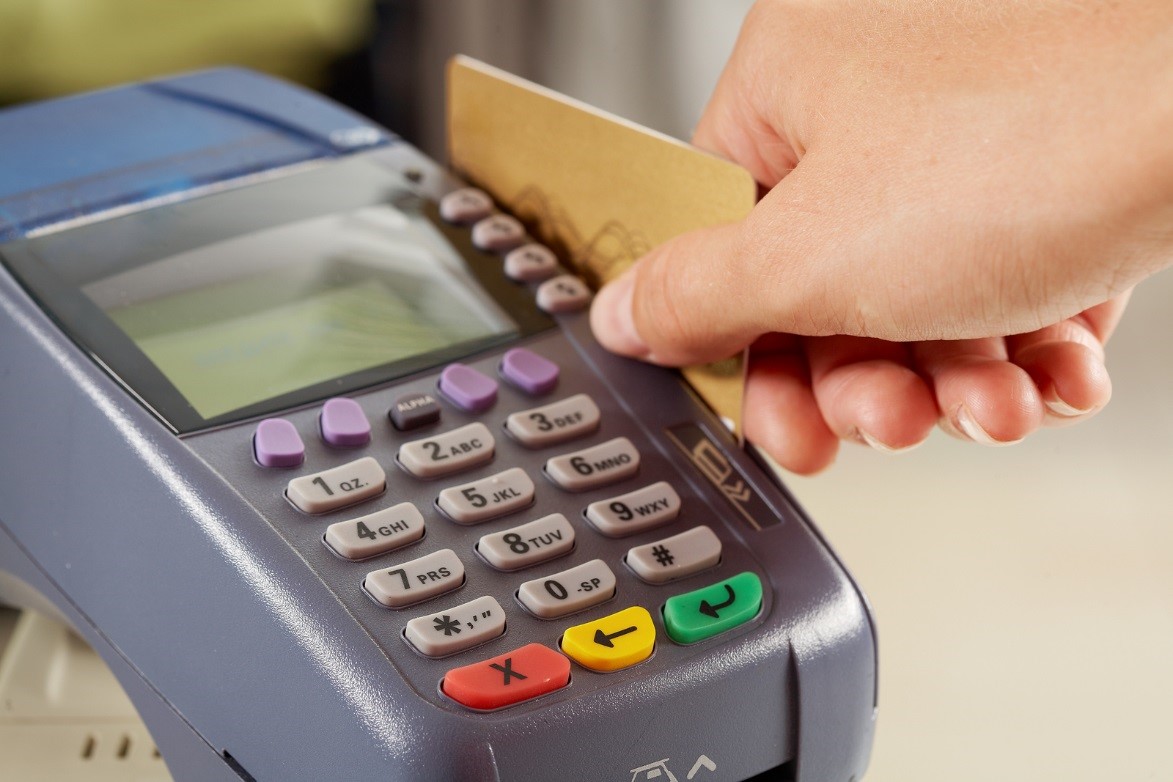
Credit card payment processing machines are essential tools for businesses of all sizes, streamlining transactions and enhancing customer experiences. From small retail shops to large corporations, these machines provide secure and efficient ways to accept credit card payments. This guide delves into the key features, benefits, and considerations surrounding these vital financial instruments.
This discussion will cover the functionality of modern credit card payment processing machines, including various payment types, security protocols, and integration options. We’ll also touch upon the importance of choosing the right machine for specific business needs and explore future trends in this rapidly evolving field.
Dear esteemed readers,This article delves into the fascinating intersection of artificial intelligence and the evolving landscape of education. We will explore how AI is not just disrupting, but also transforming the learning experience, offering both challenges and unprecedented opportunities for educators and students alike.
The AI-Powered Classroom: A New Era of Learning
The integration of artificial intelligence into education is no longer a futuristic concept; it’s rapidly becoming a reality in classrooms across the globe. From personalized learning platforms to automated grading systems, AI is streamlining and enhancing various aspects of the educational process. This innovative approach promises to tailor learning experiences to individual student needs, fostering deeper understanding and improved outcomes.
Personalized Learning Pathways: AI algorithms can analyze student performance data, identifying strengths, weaknesses, and learning styles. This allows for the creation of personalized learning pathways, ensuring that each student receives the support and resources they need to succeed. Adaptive learning platforms adjust the difficulty and pacing of lessons in real-time, providing a dynamic and engaging learning experience for every student. Imagine a system that proactively anticipates a student’s struggles and offers immediate support, fostering a more proactive and supportive learning environment.
This level of individualized attention was previously unimaginable in traditional classroom settings.
Automated Assessment and Feedback: AI-powered tools can automate the grading of objective assessments, freeing up valuable teacher time to focus on more nuanced aspects of student learning. Automated feedback systems can provide students with detailed insights into their performance, highlighting areas for improvement and offering constructive suggestions. This detailed feedback loop fosters a more proactive approach to learning, empowering students to identify their own areas for growth.
However, the ethical considerations of relying solely on AI for assessment are crucial, as human judgment and interaction remain paramount in evaluating complex skills and critical thinking.
Enhanced Accessibility and Inclusivity: AI-powered tools can translate languages in real-time, provide transcriptions of lectures, and create alternative formats for learning materials. This level of accessibility is vital for students with disabilities, ensuring that all learners have equal opportunities to succeed. Further, AI-driven tools can identify and address potential learning barriers, helping to create a more inclusive and equitable learning environment.
Challenges and Considerations
While the potential of AI in education is immense, it’s crucial to acknowledge the challenges and ethical considerations that accompany its implementation. One key concern is the potential for bias in AI algorithms, which could inadvertently perpetuate existing inequalities. Ensuring fairness and equity in the design and implementation of AI systems is paramount. Furthermore, the digital divide remains a significant hurdle; access to technology and internet connectivity must be equitable for all students.
The Role of the Educator: The integration of AI into education does not diminish the importance of human interaction and guidance. Teachers remain crucial in fostering critical thinking, creativity, and social-emotional learning. The role of the educator evolves to become a facilitator and mentor, guiding students in navigating the complexities of the AI-powered learning environment. This requires ongoing professional development for teachers to equip them with the skills and knowledge necessary to effectively integrate AI tools into their teaching practices.
Data Privacy and Security: The collection and use of student data raise significant privacy concerns. Robust data protection measures are essential to ensure the security and confidentiality of student information. Transparency in data collection and usage policies is critical to building trust and ensuring responsible use of AI in education.
The Future of Learning
The integration of AI in education is poised to revolutionize the way we learn and teach. Personalized learning, automated assessment, and enhanced accessibility are just a few of the transformative possibilities that lie ahead. However, it’s essential to approach this integration thoughtfully, acknowledging the challenges and addressing ethical considerations proactively. By fostering collaboration between educators, students, and technology developers, we can harness the power of AI to create a more engaging, equitable, and effective learning experience for all.
The future of education is undoubtedly intertwined with the evolution of AI, and the journey promises to be both exciting and challenging.
Common Queries
What are the different types of credit card processing machines available?
Different types of machines cater to various needs. Some are standalone units, while others are integrated into larger point-of-sale (POS) systems. The choice depends on the business’s size, transaction volume, and specific requirements.
What security measures are in place to protect sensitive credit card information?
Modern payment processing machines utilize advanced encryption and security protocols to protect cardholder data. These measures are designed to safeguard against unauthorized access and fraud.
How do I choose the right credit card payment processing machine for my business?
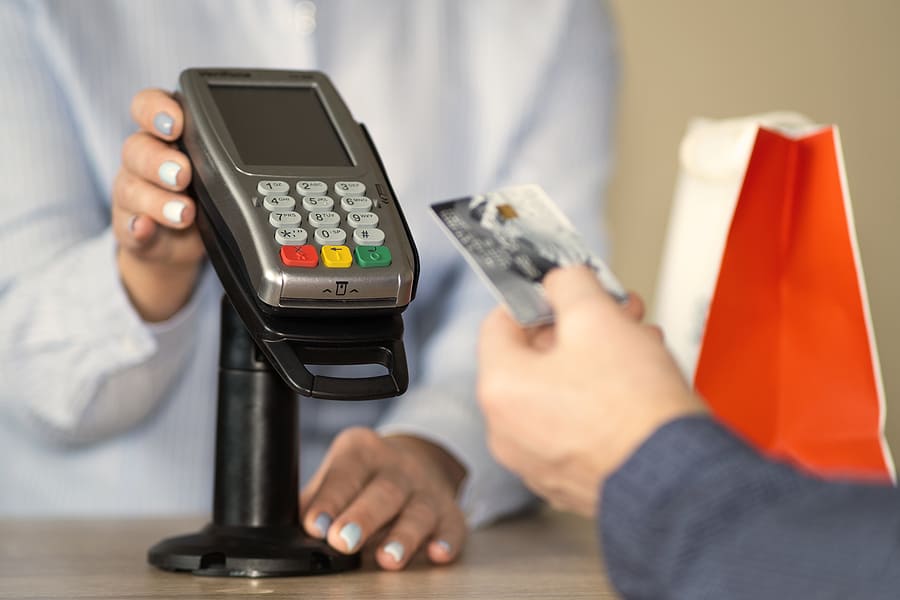
Consider factors such as transaction volume, required features (e.g., receipt printing, customer displays), and pricing plans. Comparing different providers and their offerings is essential.
What are the costs associated with using a credit card payment processing machine?

Costs typically involve transaction fees, monthly service charges, and potential setup fees. These costs vary depending on the provider and the chosen payment processing plan.